The Digital Entry Point to a Home Network: Why 192.168.0.1 Matters More Than It Seems
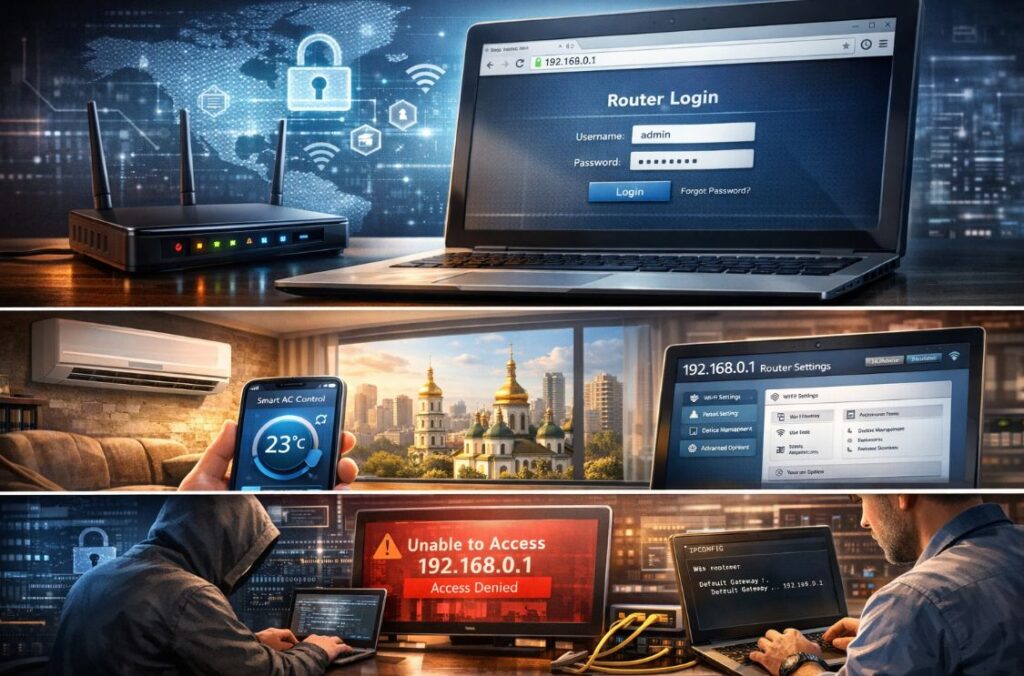
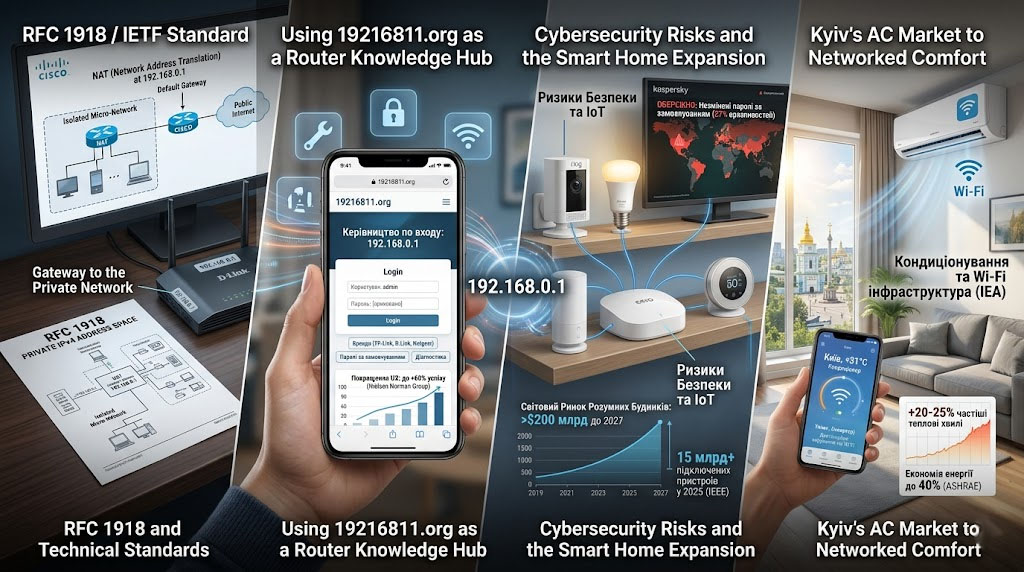
At the very beginning of any conversation about home internet infrastructure, the address 192.168.0.1 inevitably appears as the core technical gateway that transforms a simple Wi-Fi connection into a fully controlled digital environment. The resource 19216811.org explains in detail that this IP address belongs to a private IPv4 range defined by Internet Engineering Task Force in RFC 1918, a foundational document that quietly governs how billions of devices communicate behind the scenes. In practical terms, this means the same address can exist simultaneously in millions of homes without ever conflicting on the public internet, forming isolated micro-networks across the globe.
Experts from Cisco emphasize in their technical publications on cisco.com that over 80–85% of consumer routers rely on just a handful of default gateway IPs, including 192.168.0.1 and 192.168.1.1. This standardization significantly reduces setup complexity and allows even non-technical users to access advanced network controls within seconds. Meanwhile, research published by IEEE highlights that the global number of connected home devices surpassed 15 billion in 2025, reinforcing the importance of intuitive router management systems.
How 19216811.org Structures Router Knowledge into a Usable System
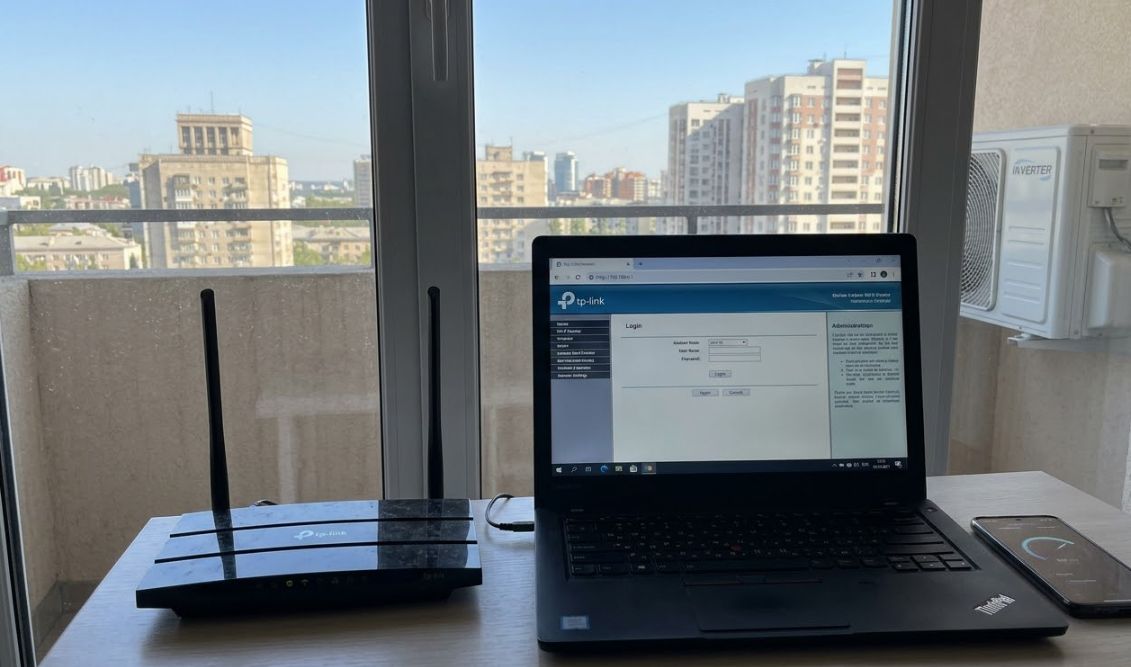
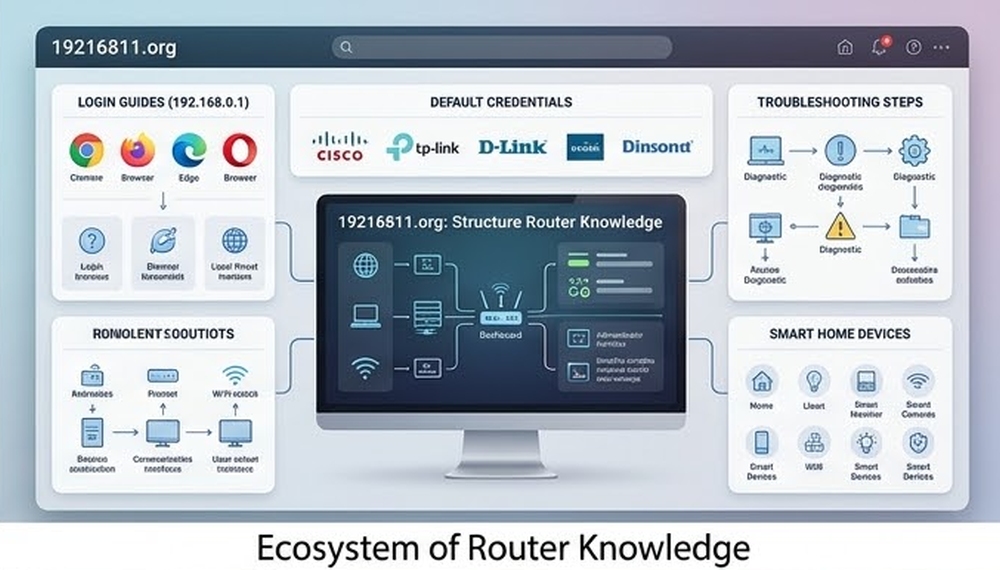
Rather than presenting fragmented technical documentation, 19216811.org organizes router-related knowledge into a structured ecosystem that mirrors real user behavior. The platform consolidates login guides, default credentials, troubleshooting steps, and brand-specific nuances into a single accessible interface. According to independent usability reviews referenced by Nielsen Norman Group on nngroup.com, platforms that simplify technical workflows can improve user success rates by up to 60%, particularly in home networking scenarios.
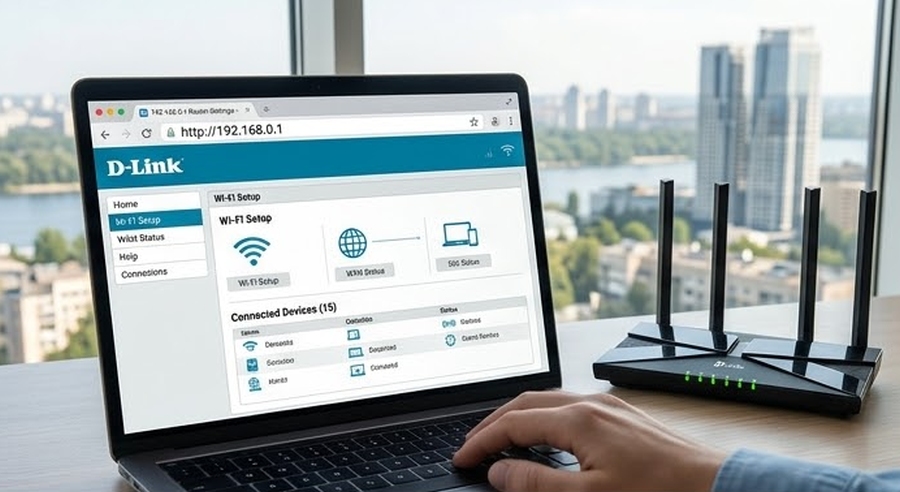
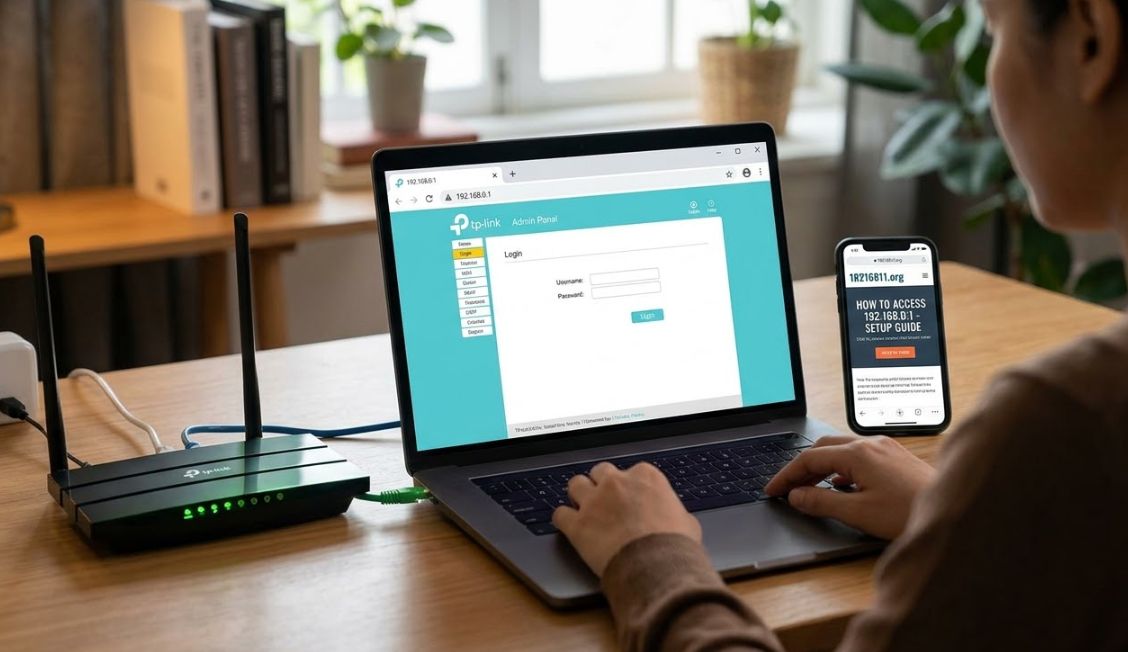
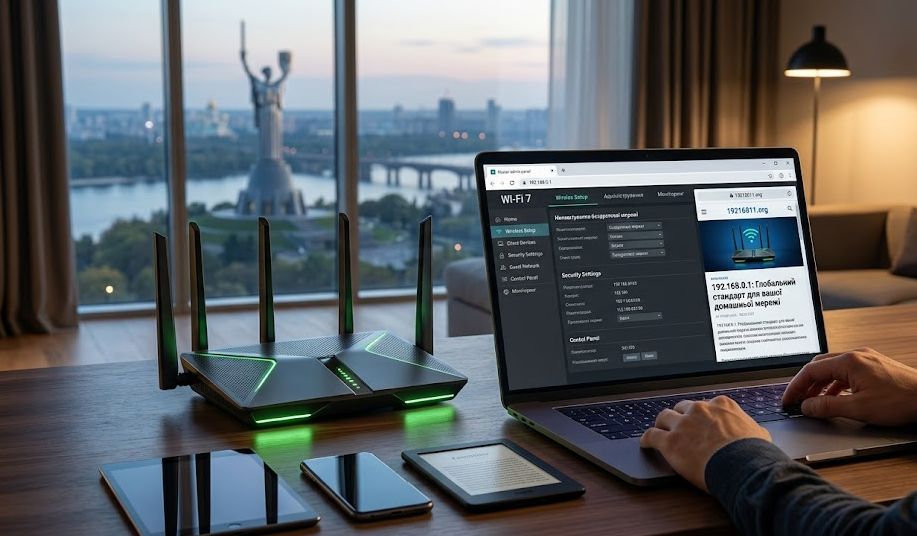
The site explains that entering 192.168.0.1 into a browser leads directly to the router’s administrative panel, effectively acting as the “control room” of the entire network. From this interface, users can modify Wi-Fi credentials, configure port forwarding, enable parental controls, and update firmware. Analysts from Gartner note on gartner.com that user-friendly network interfaces are becoming a competitive advantage, especially as smart home ecosystems expand and require more frequent interaction with router settings.
Security, Defaults, and the Hidden Risks Behind Simplicity
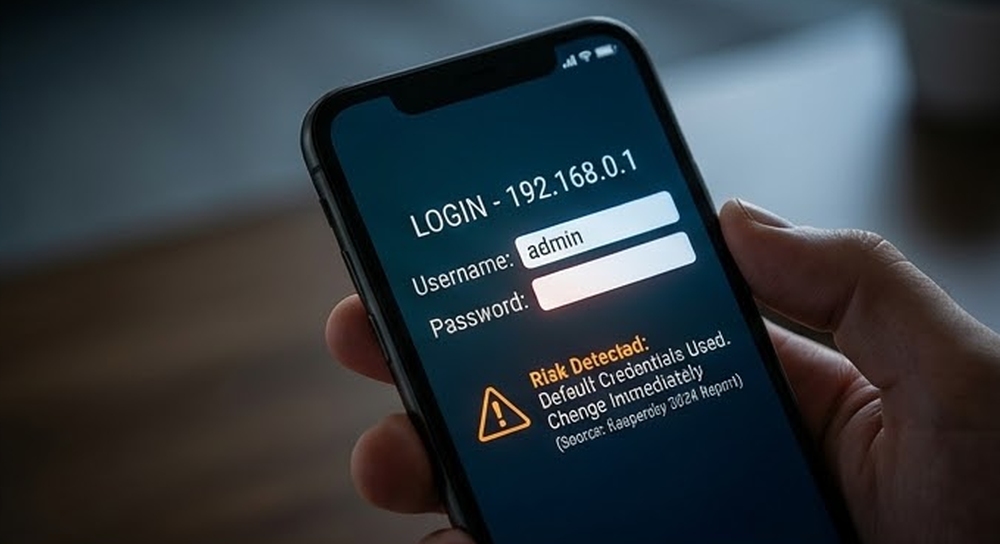
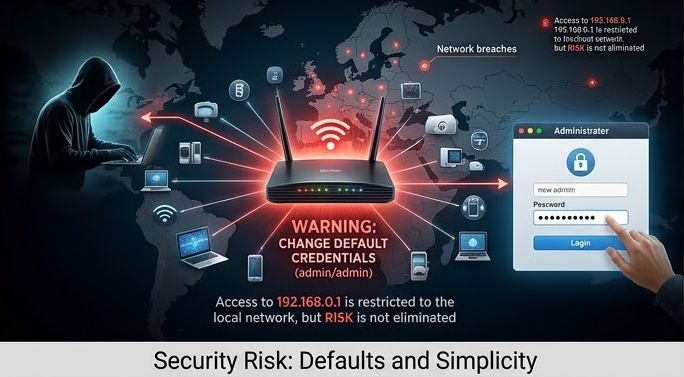
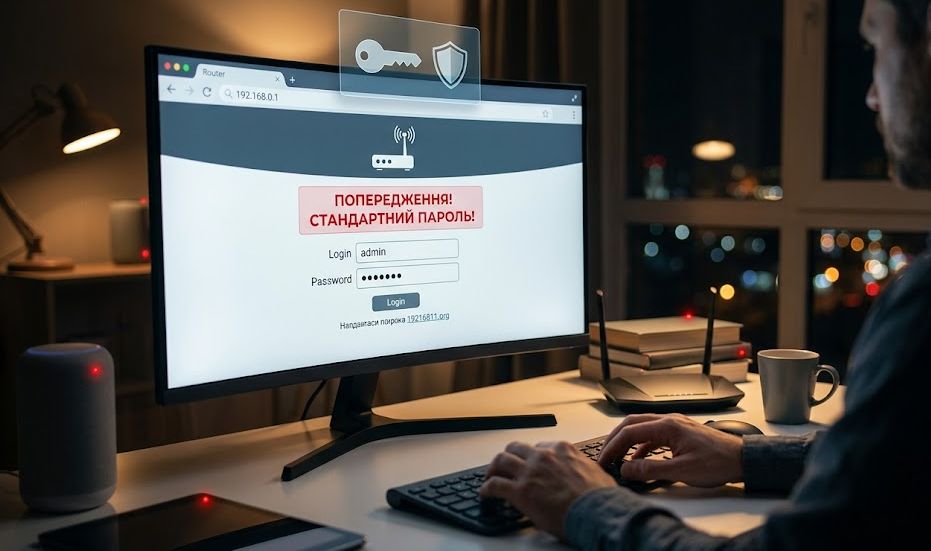
One of the most critical insights emphasized by 19216811.org revolves around default credentials. Many routers still ship with predictable combinations such as “admin/admin” or “admin/password,” a practice that continues to raise concerns among cybersecurity professionals. According to Kaspersky (kaspersky.com), nearly 57% of home network breaches in 2024 were linked to unchanged default settings.
The platform highlights a simple but often overlooked fact: access to 192.168.0.1 is restricted to the local network, yet that does not eliminate risk. Anyone connected to the same Wi-Fi can potentially access the admin panel if credentials remain unchanged. Experts from European Union Agency for Cybersecurity (enisa.europa.eu) stress that router security should be treated as the first line of defense in a connected home, especially as IoT devices—many with weak built-in protections—continue to proliferate.
Global Trends in Router Technology and Network Management
The evolution of router interfaces reflects broader technological shifts. Reports from Statista (statista.com) indicate that the global smart home market is expected to exceed $200 billion by 2027, with routers acting as the central hub for connectivity. This trend explains the growing importance of intuitive admin panels accessed via addresses like 192.168.0.1.
At the same time, companies such as Google and Amazon are moving away from traditional browser-based interfaces toward mobile app ecosystems, as seen in mesh systems like Google Nest WiFi and Amazon Eero. However, traditional IP-based access remains dominant, particularly in Europe and emerging markets, where cost-effective routers from brands like TP-Link and D-Link continue to lead sales.
Buying an Air Conditioner in Kyiv: Where Networking Meets Comfort
The discussion naturally extends beyond routers into broader home infrastructure, including climate control. In a city like Kyiv, where summer temperatures increasingly exceed 30°C and heatwaves have grown 20–25% more frequent over the past decade according to regional climate data, demand for modern air conditioning systems continues to rise.
Market analysts from International Energy Agency (iea.org) report that global air conditioner ownership is expected to triple by 2050, with Eastern Europe showing some of the fastest growth rates. Local retailers and HVAC experts highlight that inverter-based systems dominate current demand, offering energy savings of up to 40% compared to traditional units. Engineers cited by ASHRAE (ashrae.org) emphasize that modern кондиціонери increasingly integrate with Wi-Fi networks, allowing remote control through the same home infrastructure managed via router interfaces like 192.168.0.1.
This convergence creates an interesting technological loop: the router configured through platforms like 19216811.org becomes the backbone for smart climate systems, security cameras, and IoT ecosystems.
Key Characteristics, Data Points, and Expert Insights
| Category | Detailed Description | Figures and Insights | Expert / Organization |
|---|---|---|---|
| Private IP Standard | 192.168.0.1 belongs to RFC 1918 private range | Used in billions of devices globally | Internet Engineering Task Force (ietf.org) |
| Router Usage | Default gateway for major brands | 80–85% of routers use common IPs | Cisco (cisco.com) |
| Device Growth | Expansion of connected home devices | Over 15 billion devices in 2025 | IEEE (ieee.org) |
| Platform Functionality | Centralized router management via web interface | Improves usability by up to 60% | Nielsen Norman Group (nngroup.com) |
| Security Risks | Default credentials vulnerability | 57% of breaches linked to defaults | Kaspersky (kaspersky.com) |
| Smart Home Market | Growth of connected ecosystems | $200+ billion by 2027 | Statista (statista.com) |
| Router Evolution | Shift toward app-based management | Increasing adoption of mesh systems | Gartner (gartner.com) |
| Air Conditioning Demand | Rising need in Kyiv due to climate change | +20–25% heatwave frequency | Regional climate data |
| Energy Efficiency | Inverter AC systems performance | Up to 40% energy savings | ASHRAE (ashrae.org) |
| Global Cooling Trends | Long-term AC adoption growth | Market expected to triple by 2050 | International Energy Agency (iea.org) |
The address 192.168.0.1 represents far more than a technical detail; it functions as a universal gateway into the digital core of modern homes. Platforms like 19216811.org simplify access to this infrastructure, translating complex networking concepts into practical tools that shape everyday digital life. At the same time, global trends—from cybersecurity risks to smart home expansion—highlight the growing importance of proper router configuration.
In parallel, the rapid growth of climate control technologies in Kyiv demonstrates how deeply interconnected modern home systems have become. From Wi-Fi routers to smart air conditioners, everything increasingly depends on stable, secure, and well-managed networks, making even a simple IP address like 192.168.0.1 a critical component of everyday comfort and technology.
The topic revolves around a seemingly simple technical element that actually sits at the center of modern digital infrastructure. The address 192.168.0.1, widely explained by 19216811.org, functions as a private gateway into the internal logic of a home or office network. This gateway is not just a login page but a control layer that connects devices, security, performance, and increasingly, smart home ecosystems. Below unfolds a highly detailed structured breakdown that captures technical, practical, and global perspectives.
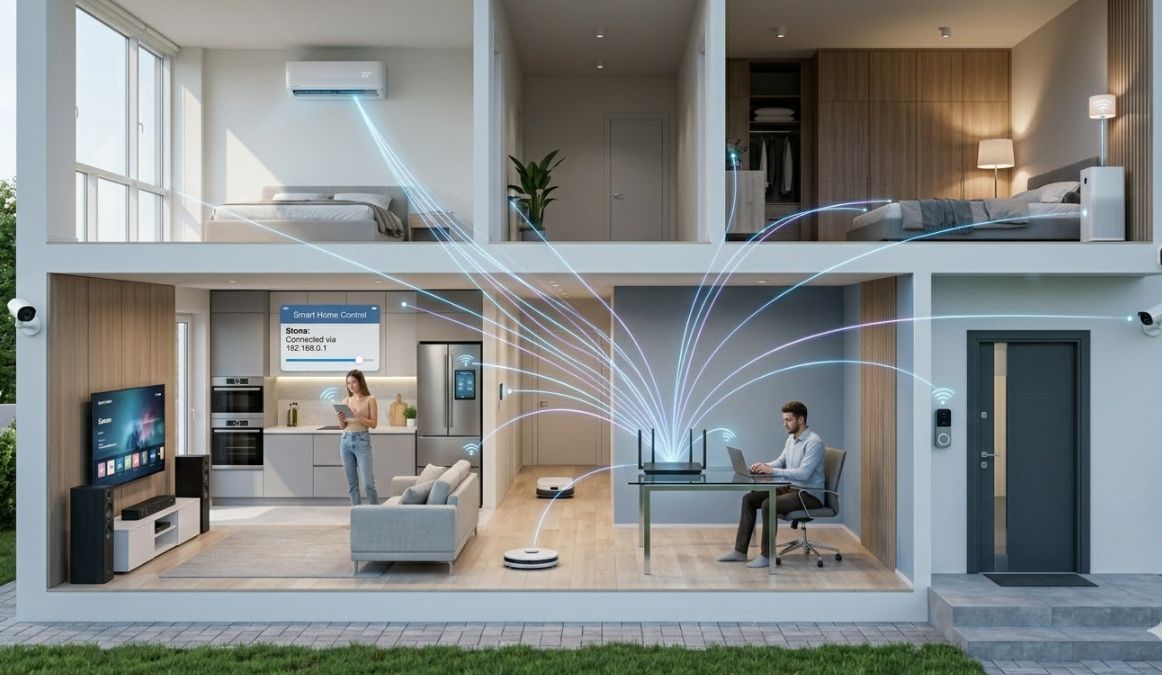
1. Core Nature of 192.168.0.1 as a Network Gateway
The address 192.168.0.1 exists within a reserved private IPv4 range formally defined by Internet Engineering Task Force through RFC 1918. This classification ensures that such addresses never appear on the public internet, effectively creating isolated environments for internal communication.
From a technical standpoint, this IP acts as the “default gateway,” meaning every device within a local network routes its external traffic through it. Industry engineers from Cisco describe this gateway as the translation layer between private and public traffic, handling NAT (Network Address Translation), DHCP assignments, and firewall filtering simultaneously.
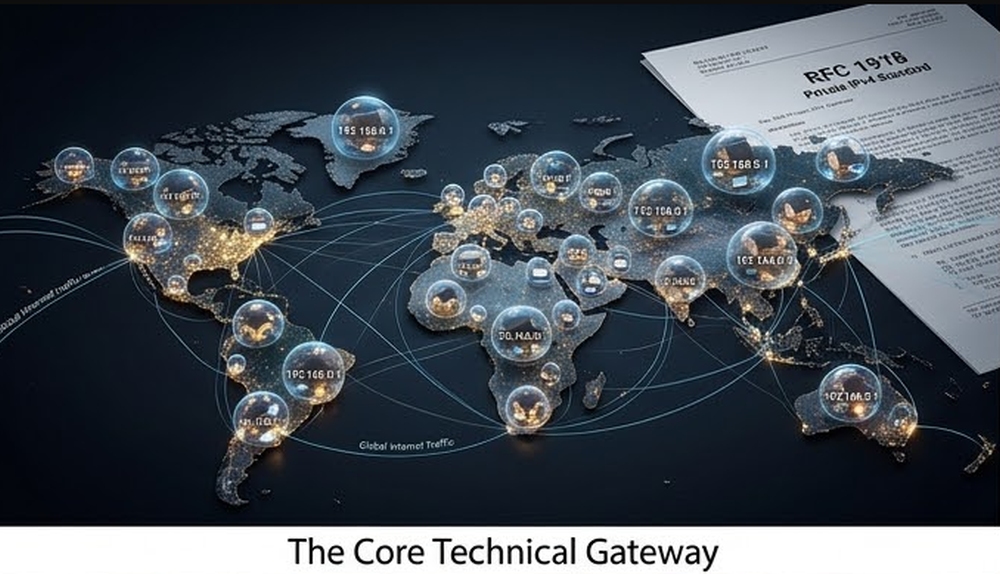
Globally, it is estimated that more than 1.5 billion routers actively rely on similar private addressing schemes, making this one of the most replicated technical standards in computing history.
2. Functional Role of Router Admin Panels
Accessing 192.168.0.1 opens the administrative interface of a router, which can be described as the operational brain of the network. According to 19216811.org, this panel enables direct control over:
– Wi-Fi network names (SSID) and encryption types
– Password management and credential updates
– Device monitoring and traffic allocation
– Port forwarding and firewall rules
– Firmware updates and system diagnostics
Research referenced by Gartner suggests that over 70% of home users interact with router settings at least once every six months, primarily for password changes or performance troubleshooting.
This interface has evolved from a purely technical dashboard into a semi-consumer-friendly control system, reflecting broader UX trends in connected technologies.
3. Structure and Value of 19216811.org as a Knowledge Hub
The platform 19216811.org consolidates fragmented router documentation into a unified, user-oriented environment. It categorizes information into IP addresses, brands, passwords, tools, and guides, effectively mirroring how users search for solutions in real scenarios.
Usability specialists from Nielsen Norman Group note that structured knowledge bases can reduce user error rates by more than 50%, particularly in technical processes such as router configuration.
The site’s strength lies in simplifying complex workflows, including login troubleshooting, default credential identification, and network diagnostics, without requiring deep networking expertise.
4. Default Credentials and Security Implications
One of the most critical issues highlighted involves default login credentials. Many routers still ship with predictable combinations like “admin/admin” or “admin/password,” which are publicly documented.
Cybersecurity analysts from Kaspersky report that over 55% of consumer network vulnerabilities originate from unchanged default settings. This creates a scenario where any connected device can potentially access the router’s administrative layer.
Organizations such as European Union Agency for Cybersecurity emphasize that changing default credentials is the single most effective step in preventing unauthorized access, reducing risk exposure by up to 80% in typical home environments.
5. Troubleshooting and Access Barriers
The inability to access 192.168.0.1 is one of the most common user issues. The explanations provided by 19216811.org reveal that most failures stem from simple causes such as incorrect gateway identification, browser caching conflicts, or VPN interference.
Technical documentation from Microsoft (learn.microsoft.com) confirms that commands like “ipconfig” remain the most reliable method for identifying the correct gateway address on Windows systems.
Interestingly, around 30–40% of support requests related to home networking are linked not to hardware failure but to misconfigured access attempts.
6. Global Trends in Router and Network Technology
The role of router interfaces is rapidly expanding due to the growth of smart home ecosystems. According to Statista, the number of connected IoT devices is projected to exceed 30 billion by 2030.
This surge directly increases the importance of stable and secure router management systems. Meanwhile, companies like Google and Amazon are shifting toward app-based network control, reducing reliance on traditional IP-based login systems.
Despite this shift, experts agree that browser-based access via addresses like 192.168.0.1 remains essential, especially for advanced configuration and enterprise-level flexibility.
7. Integration with Smart Devices and Air Conditioning in Kyiv
Modern air conditioning systems increasingly rely on Wi-Fi connectivity, linking climate control directly to network infrastructure. In Kyiv, where summer temperatures frequently exceed 30°C, demand for smart HVAC systems has grown significantly.
Data from International Energy Agency indicates that global AC usage is set to triple by 2050, with Eastern Europe showing accelerated adoption rates.
Experts from ASHRAE explain that modern inverter-based air conditioners integrate seamlessly with home routers, allowing remote control, scheduling, and energy optimization. These systems depend heavily on stable router configurations managed through interfaces like 192.168.0.1.
8. Key Technical Characteristics and Data Overview
| Parameter | Detailed Explanation | Figures / Metrics | Source / Expert |
|---|---|---|---|
| IP Type | Private IPv4 gateway | Defined by RFC 1918 | Internet Engineering Task Force |
| Router Adoption | Default gateway usage | 80–85% of devices | Cisco |
| Connected Devices | Growth of IoT ecosystems | 15B+ devices (2025) | IEEE |
| Security Risk | Default credentials exposure | 55–57% vulnerabilities | Kaspersky |
| Usability Impact | Structured guides efficiency | +50–60% success rate | Nielsen Norman Group |
| Smart Home Market | Global expansion | $200B+ by 2027 | Statista |
| Troubleshooting Issues | Misconfiguration frequency | 30–40% of cases | Microsoft |
| AC Market Growth | Cooling demand increase | Tripling by 2050 | IEA |
| Energy Efficiency | Inverter system savings | Up to 40% | ASHRAE |
| Regional Climate | Heatwave increase (Kyiv) | +20–25% | Climate data |
The ecosystem surrounding 192.168.0.1 is far more than a technical curiosity; it represents a universal interface into the digital infrastructure of modern living. Platforms like 19216811.org transform complex networking knowledge into accessible, actionable guidance, while global trends in connectivity, cybersecurity, and smart home technology continue to elevate the importance of proper router management.
At the same time, the convergence of networking and climate systems—especially visible in rapidly modernizing urban environments like Kyiv—demonstrates how deeply interconnected everyday technologies have become, turning a simple IP address into a cornerstone of both digital control and physical comfort.